Why Inflammation Wears the Body Down: Understanding Oxidative Stress

When we think about digestive health, we often focus on the symptoms we can feel, such as bloating, constipation, diarrhea, heartburn, or abdominal discomfort. But what if those symptoms were only part of the story? Digestion influences nearly every system in the body. It affects how we absorb nutrients, regulate inflammation, produce energy, support our immune system, and maintain healthy tissues over time. When inflammation becomes chronic, it places extra demands on the body. One of the ways this happens is through a process called oxidative stress. Oxidative stress is an imbalance between molecules that can damage our cells and the systems our body uses to keep them in check. Understanding this process helps explain why caring for your gut is about much more than digestive comfort. It is one of the ways we support long-term health.
What Is Oxidative Stress?
Every day, your body naturally produces molecules called free radicals as part of normal metabolism, exercise, and immune function. These molecules are highly reactive because they have an unpaired electron, allowing them to quickly interact with other molecules. That reactivity is exactly what makes them useful. Your immune system uses free radicals to help destroy bacteria and viruses, and they also play important roles in cell signaling and communication. However, because free radicals are so reactive, the body carefully regulates them. It produces antioxidants that keep free radicals at healthy levels, allowing them to do their job without causing unnecessary damage to healthy cells.
Oxidative stress develops when free radicals begin to outnumber those protective defenses. Over time, this imbalance can damage proteins, healthy fats, DNA, and other cellular structures. Think of it like rust forming on metal. A little rust may develop over time, but as it continues to build, it can weaken the metal and cause more damage. In much the same way, oxidative stress can gradually wear on the body when it persists for long periods.
What Increases Oxidative Stress?
Some oxidative stress is a normal part of life, and our bodies are designed to manage it. The challenge is the cumulative load created by modern life. Whenever your body responds to an infection, poor sleep, emotional stress, chronic inflammation, or environmental toxins, it naturally produces more free radicals. These responses are protective and necessary. However, when these stressors become frequent or long-lasting, the body's antioxidant systems may struggle to keep up.
Some common contributors include:
Chronic inflammation
Digestive dysfunction
Poor sleep
Ongoing emotional stress
Environmental toxins and pollution
Smoking and excessive alcohol
Highly processed foods
Low intake of antioxidant-rich foods
Sedentary lifestyle
Chronic infections
Why Your Gut Matters
The digestive system is one of the body's first lines of defense against oxidative stress. Beyond digesting food, it regulates inflammation, maintains the intestinal barrier, houses trillions of microbes, and absorbs the nutrients needed to support antioxidant activity throughout the body.
When digestion is not functioning well, several things can begin to happen. The gut lining may become less resilient. Beneficial bacteria may decline while less favorable microbes become more abundant. Nutrient absorption may become less efficient, making it harder for the body to obtain the vitamins, minerals, and phytonutrients that help protect cells from oxidative damage.
Together, these changes can create an environment where inflammation persists. As inflammation continues, oxidative stress increases. In turn, oxidative stress can make it more difficult for the digestive system to restore balance, thus becoming a cycle: inflammation contributing to oxidative stress, and oxidative stress further fueling inflammation.
Beyond Digestion
Although oxidative stress occurs at the cellular level, its effects often show up in ways we can feel. Every cell in the body depends on a steady supply of energy to carry out its job. When oxidative stress becomes excessive, normal cellular function can become less efficient, influencing tissues well beyond the digestive tract. These symptoms do not necessarily mean oxidative stress is the sole cause, but they illustrate how closely cellular health is connected to how we feel each day.
Over time, increased oxidative stress has been associated with:
Fatigue and reduced energy
Brain fog
Slower recovery
Ongoing inflammation
Accelerated aging
Reduced resilience to stress
Changes in skin health
Continued digestive sensitivity
Supporting Your Body Naturally
The encouraging news is that your body has remarkable systems for protecting and repairing itself. Many of the habits that support digestive health also strengthen your natural antioxidant defenses.
Eat More Color
Different plant pigments contain different families of antioxidants and polyphenols. That is why nutrition experts often encourage "eating the rainbow." A variety of colors means a wider variety of protective compounds that help nourish both your cells and your microbiome.
Some excellent choices include:
Blueberries
Raspberries
Blackberries
Beets
Purple cabbage
Dark leafy greens
Herbs
Green tea

Feed Your Microbiome
A diverse, fiber-rich diet supports beneficial bacteria that produce compounds helping maintain the gut lining, regulate inflammation, and support immune health.The greater the diversity of plants in your diet, the greater the diversity of beneficial microbes you are likely to support.
Beneficial bacteria also produce compounds known as short-chain fatty acids, including butyrate. These compounds help nourish the cells lining the colon, support the intestinal barrier, and promote a healthy inflammatory response. One of the simplest ways to encourage their production is by regularly eating a diverse range of fiber-rich plant foods.
Aim for a wide variety of:
Vegetables
Fruits
Beans and legumes
Nuts and seeds
Fermented foods
Resistant starches
Prioritize Recovery
Recovery is one of the most overlooked aspects of wellness. Sleep, spending time outdoors, and managing emotional stress all influence inflammation and your body's ability to repair itself. While regular movement is an important part of overall health, your body also needs adequate rest between periods of activity.
Reduce Your Oxidative Load
While we cannot eliminate every source of oxidative stress, we can reduce the burden we place on our bodies. Small choices, practiced consistently, can make a meaningful difference over time.
Simple ways include:
Choosing minimally processed foods more often
Limiting alcohol consumption
Avoiding smoking and secondhand smoke
Spending time in nature
Reducing unnecessary environmental exposures where practical
Supporting healthy digestion every day
Minerals Your Body Needs for Protection
Minerals are essential for many of the biochemical reactions that help the body manage oxidative stress, including those involved in antioxidant protection and energy production. Magnesium helps support hundreds of enzyme systems throughout the body. Selenium is required to produce glutathione peroxidase, one of our primary antioxidant enzymes. Zinc and copper work together to support antioxidant activity, while iron helps transport oxygen to tissues. These nutrients function as a team, helping the body produce energy, protect cells, and maintain its natural defenses against oxidative damage. Healthy digestion plays an important role here as well. Even the most nutrient-dense diet cannot provide its full benefit if vitamins and minerals are not being properly absorbed.
Final Thoughts
Oxidative stress is a normal part of life. Our bodies are designed to produce free radicals and to defend against them. Every colorful meal, every nourishing night's sleep, every walk outdoors, every effort to manage stress, and every step you take to support your digestive health helps strengthen your body's ability to respond to the demands of everyday life. When we understand what contributes to oxidative stress, we can make informed choices that support healthy aging, sustained energy, and long-term wellness.
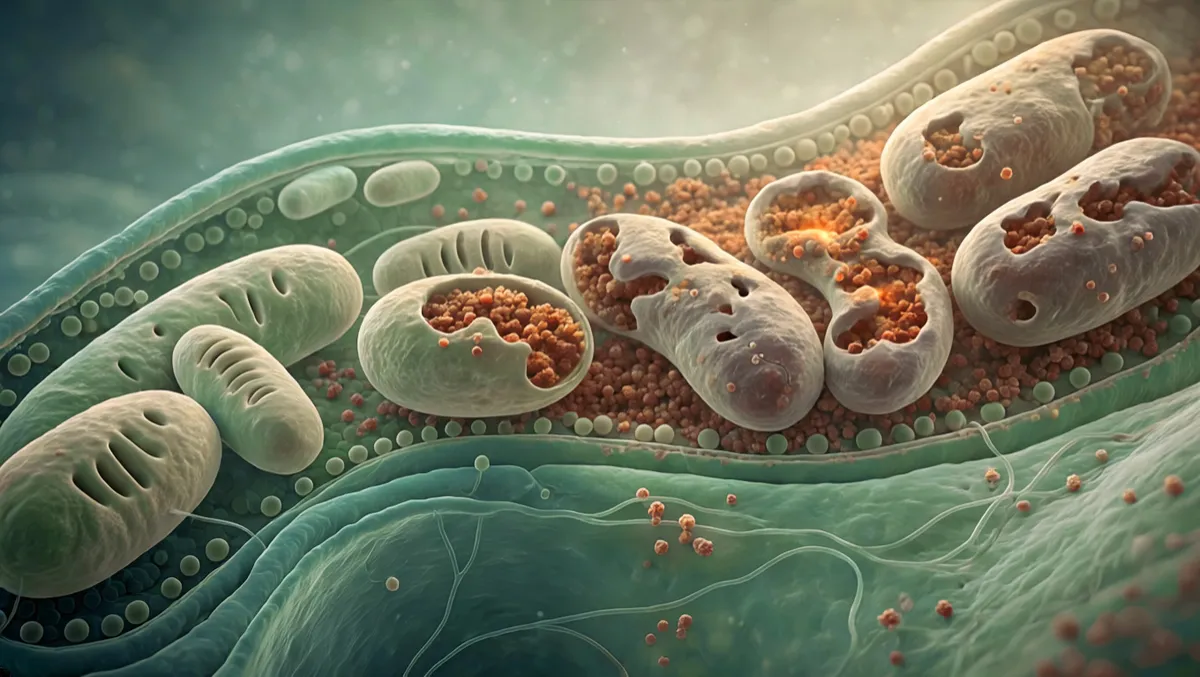
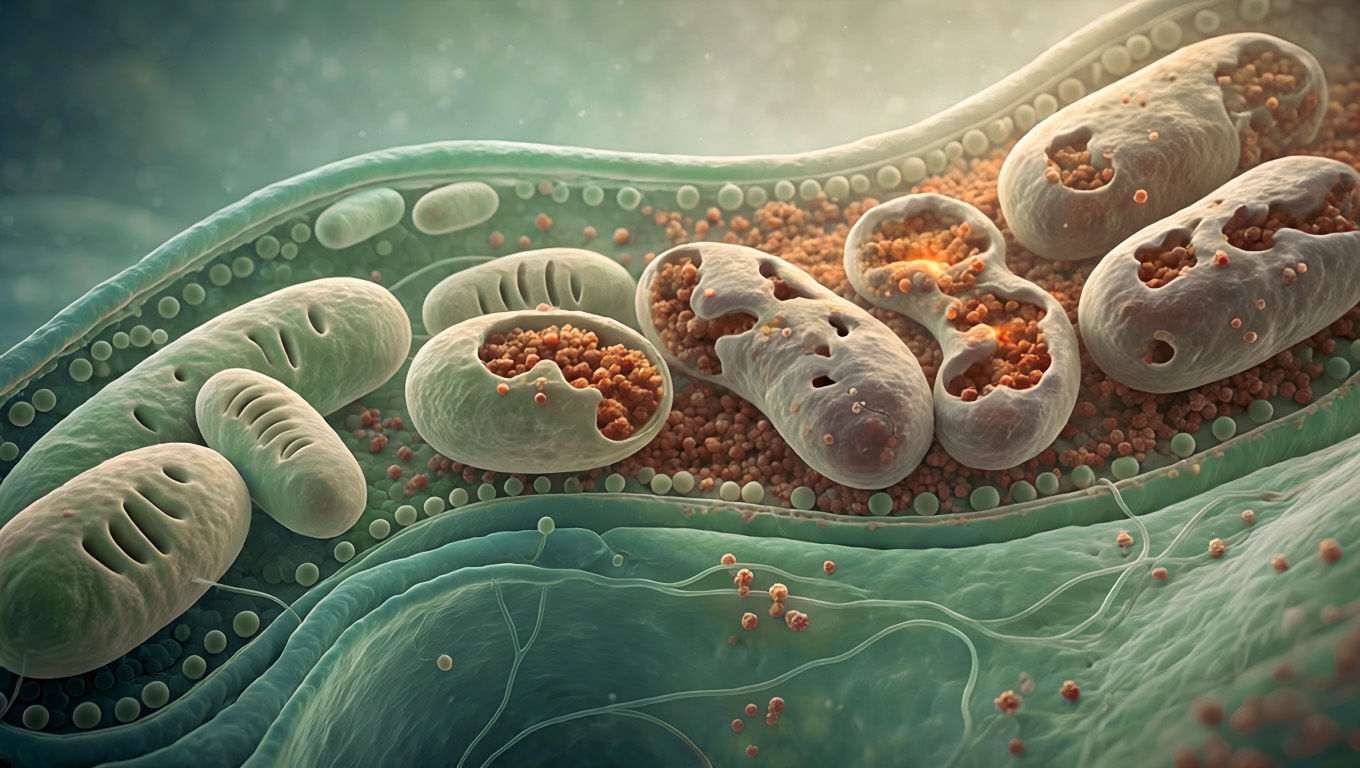
Illustrative image created with Adobe Firefly
