
Digestion, Hormones, and the Transition Years

If you are in your forties or fifties, you may have noticed that your digestive system doesn’t quite work the way it used to. Bloating shows up out of nowhere, constipation alternates with loose stools, reflux appears after meals that used to feel fine, and weight seems to settle differently around your midsection. These symptoms are frequently treated as isolated digestive issues, but in reality, they are part of a broader hormonal transition.
Two Phases, One System
The years surrounding menopause happen in two main phases: perimenopause and menopause. During perimenopause, your hormones fluctuate. Estrogen and progesterone rise and fall unpredictably, ovulation can be inconsistent, and symptoms may come and go from month to month. Menopause, which is defined as twelve consecutive months without a period, marks the transition into a stage where your hormones stabilize at lower levels. The dramatic swings quiet down, your body adapts to a new baseline, and digestion adjusts along with it.
Both stages influence digestion, but in different ways. During perimenopause, digestive changes can feel unpredictable. During menopause, digestion may slow down, feel heavier, or become more inflammatory. To understand why, we need to look at how the hormonal communication system works as a whole.
How Your Hormones Talk to Your Body
Hormones are constantly communicating, and your digestive system responds to what’s happening throughout your body. At the top of this network is your brain. The hypothalamus monitors stress and internal balance, sending signals to the pituitary gland, which in turn directs several organs:
Adrenals: produce cortisol, the stress hormone
Thyroid: regulates metabolism and energy use
Ovaries: produce estrogen and progesterone
When one system shifts, the others adjust. This is why hormonal changes during perimenopause and menopause ripple through digestion, metabolism, and energy levels.
In Perimenopause
During perimenopause, ovarian signals become unpredictable. Estrogen may surge one month and dip the next. Progesterone often declines earlier due to inconsistent ovulation. This can make your stress response more sensitive, blood sugar less stable, and digestion more reactive. You might notice bloating, changes in bowel habits, or increased sensitivity to certain foods.
In Menopause
Once menopause sets in, estrogen and progesterone decline and settle at lower levels. Rather than changing month to month, digestion begins to reflect this new, lower hormonal baseline more consistently. You may notice slower bowel movements, shifts in weight distribution, or more persistent digestive discomfort. Cortisol patterns often show the long-term impact of stress, while thyroid function may be more easily influenced by inflammation or lifestyle factors.
Estrogen & Digestion
Estrogen plays a key role in how your gut functions. It helps regulate:
Motility: how quickly food moves through your digestive tract
Bile production: essential for fat digestion
Microbiome diversity: the variety of beneficial gut bacteria
Gut lining integrity: keeping your intestinal barrier strong
Inflammatory balance: helping prevent chronic inflammation
In Perimenopause
Fluctuating estrogen can make bowel patterns unpredictable. You might notice bloating during higher-estrogen phases, or slower digestion when estrogen dips. Estrogen is processed through the liver and eliminated in stool. When the gut microbiome is balanced, this process happens efficiently. If not, estrogen can be reabsorbed into the body, potentially intensifying bloating, breast tenderness, mood shifts, or abdominal discomfort.
In Menopause
Lower estrogen levels change digestion in different ways. Tiny connections between the cells that line your intestines rely on estrogen, so a decrease can make your intestines more sensitive. Microbiome diversity may shift, and bile flow can slow, making fat digestion less efficient. These changes can create a slightly more inflammatory environment if your diet, sleep, and stress aren’t supportive.

Progesterone, Stress, and Cortisol
Progesterone is often called a calming hormone. It helps balance estrogen, supports sleep, and keeps stress in check. When progesterone dips, digestion can feel off.
In Perimenopause
Progesterone frequently declines first. This can increase your stress sensitivity, which in turn elevates cortisol. Higher or dysregulated cortisol affects digestion by:
Reducing stomach acid production
Slowing enzyme secretion
Altering gut motility
Redirecting blood flow away from the digestive tract
You may notice bloating, reflux, or irregular bowel movements during times of stress, and these digestive shifts can come and go depending on your sleep, emotional tension, or daily schedule. Even small increases in stress or fatigue can make your digestion feel heavier, slower, or more uncomfortable than usual.
In Menopause
Progesterone remains low, and the nervous system may be more reactive. Chronic low-level inflammation may also be more noticeable. Over time, the digestive system reflects cumulative stress exposure, making it more important to support both hormones and your nervous system.
Thyroid, Metabolism, and Your Digestion
Your thyroid controls metabolism, which influences how efficiently your body digests food and uses energy.
In Perimenopause
Hormonal swings can affect conversion of T4 to the active T3 hormone. Stress and inflammation may further impair this process, potentially causing slower bowel movements, fatigue, or weight changes.
In Menopause
Lower estrogen can make thyroid receptors less responsive, and overall metabolism may slow. Slower digestion, constipation, and abdominal weight changes are common. Gut inflammation can also interfere with thyroid function, creating a cycle that affects both metabolism and digestive health.
Why Symptoms Feel Different in Each Phase
Perimenopause often feels unpredictable with digestive symptoms that rise and fall alongside hormone swings. Menopause feels steadier but different, as your body adapts to lower hormone levels. Recovery from stress may take longer, and metabolism may slow, but understanding these patterns allows you to respond with targeted support rather than guesswork.
Hormone & Digestive Support
Supporting your digestion during the transition years works best when you consider the whole hormonal network. The following steps combine strategies you can apply now. To support estrogen metabolism, ensure daily bowel movements by increasing fiber, adding bitter greens, and including cruciferous vegetables to support liver pathways. These practices help your body clear estrogen efficiently and reduce bloating or irregular cycles. You can also:
Stabilize blood sugar: Include protein at every meal, pair carbohydrates with healthy fats, avoid long gaps without food, and monitor caffeine intake. Stable blood sugar keeps cortisol balanced, which directly supports digestion.
Regulate stress response: Daily practices like slow breathing, gentle movement, and consistent sleep can help your nervous system signal that digestion is safe. Reducing excessive high-intensity exercise if you’re already fatigued also supports balance.
Reduce inflammation: Emphasize whole, minimally processed foods, limit refined sugars and industrial seed oils, and support gut lining integrity with nutrient-rich meals. Address food sensitivities when present.
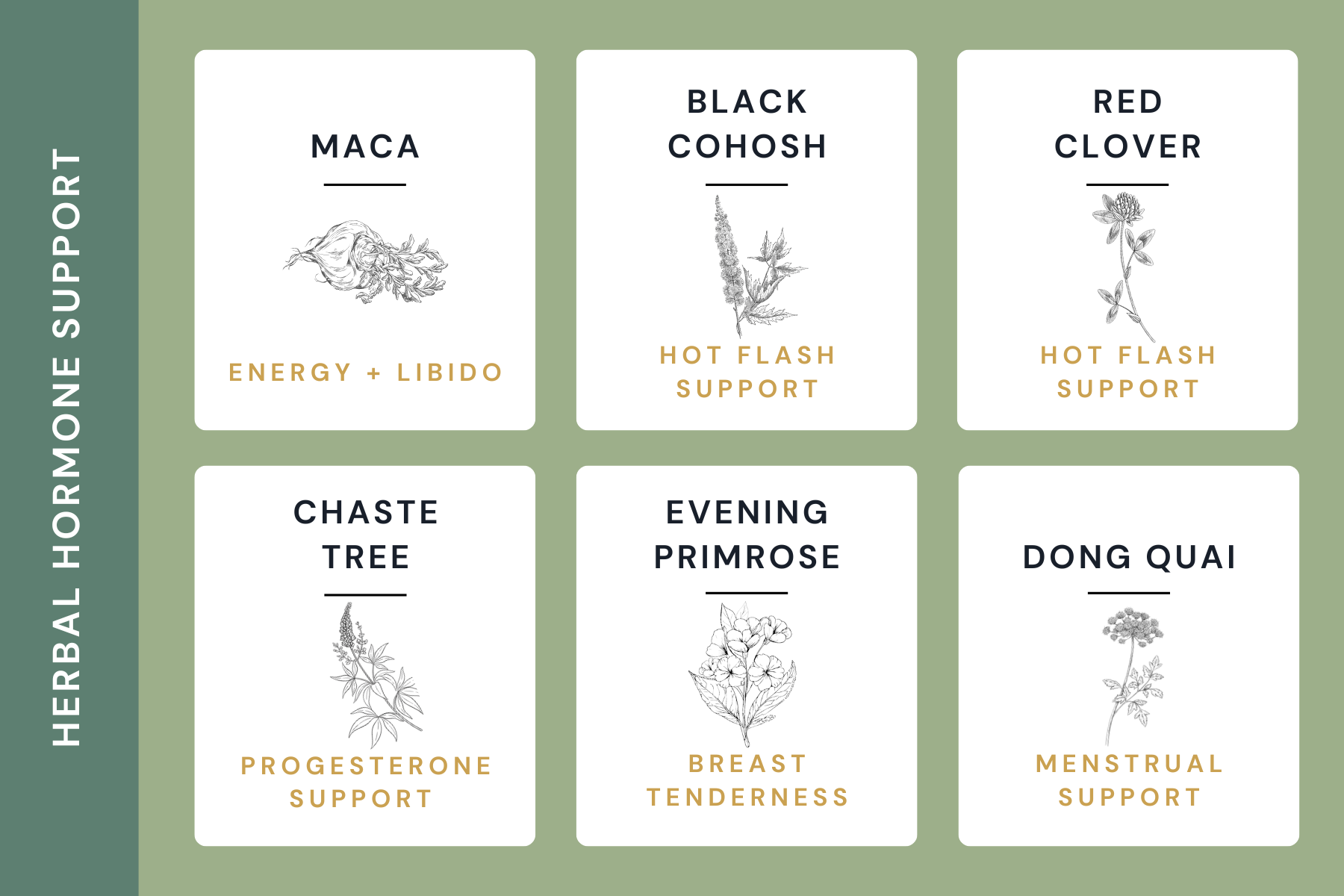
Incorporate targeted herbal support: Botanicals such as maca, black cohosh, red clover, chaste tree (vitex), evening primrose, and dong quai are traditionally used during midlife transitions. These do not replace hormones but may gently support the body’s natural signaling patterns. As with any supplement, selection should be individualized and aligned with your symptoms and overall hormone picture.
Consider hormone-supportive options: Compounded bioidentical creams may include progesterone, estradiol or estriol, testosterone, DHEA, or sometimes pregnenolone to help address hormonal decline. These options should be individualized and guided by practitioner oversight and appropriate testing.
Test your hormone levels: Blood, saliva, or urine testing can evaluate estrogen (and how it is processed in the body), progesterone, testosterone, DHEA, cortisol patterns, thyroid function, and in some cases pregnenolone. Testing first allows you to personalize support and avoid unnecessary or mismatched hormone use.
Final Thoughts
Whether you are in the fluctuating years of perimenopause or navigating life after menopause, digestive changes during these phases are signals of how your hormones communicate with your body. Understanding what is happening gives you the tools to respond with targeted support. Whether you are navigating the unpredictable swings of perimenopause or the new steady rhythm of menopause, your body is sending important messages. Listening and responding thoughtfully can help you feel more balanced, reduce digestive discomfort, and support your overall well-being.
Photography created with Adobe Firefly | Graphics created with Canva
